My First Roll of Film: What I Really Think About Shooting 35mm Again
I finally got my first roll of film back.
And honestly? I have a lot of feelings about it.
After spending my entire professional photography career shooting digital, seeing my own photographs on film for the first time was almost a little shocking.
I am so accustomed to the incredibly crisp, detailed images that come from my Canon EOS R5. I know exactly what to expect from my digital camera. I can zoom into an image and see every tiny detail. I can immediately check my focus. I can take another frame if something isn't quite right.
Film is very, very different.
When I first opened my scans and started zooming in, I noticed the grain. Some photographs weren't nearly as sharp as what I'm accustomed to seeing. The colors behaved differently. Some frames had unexpected color shifts. And I have to admit that, initially, it was low-key difficult for me to stop comparing them to my digital photographs.
But I realized pretty quickly that comparing the two that way completely misses the point.
Film Isn't Supposed to Look Like Digital
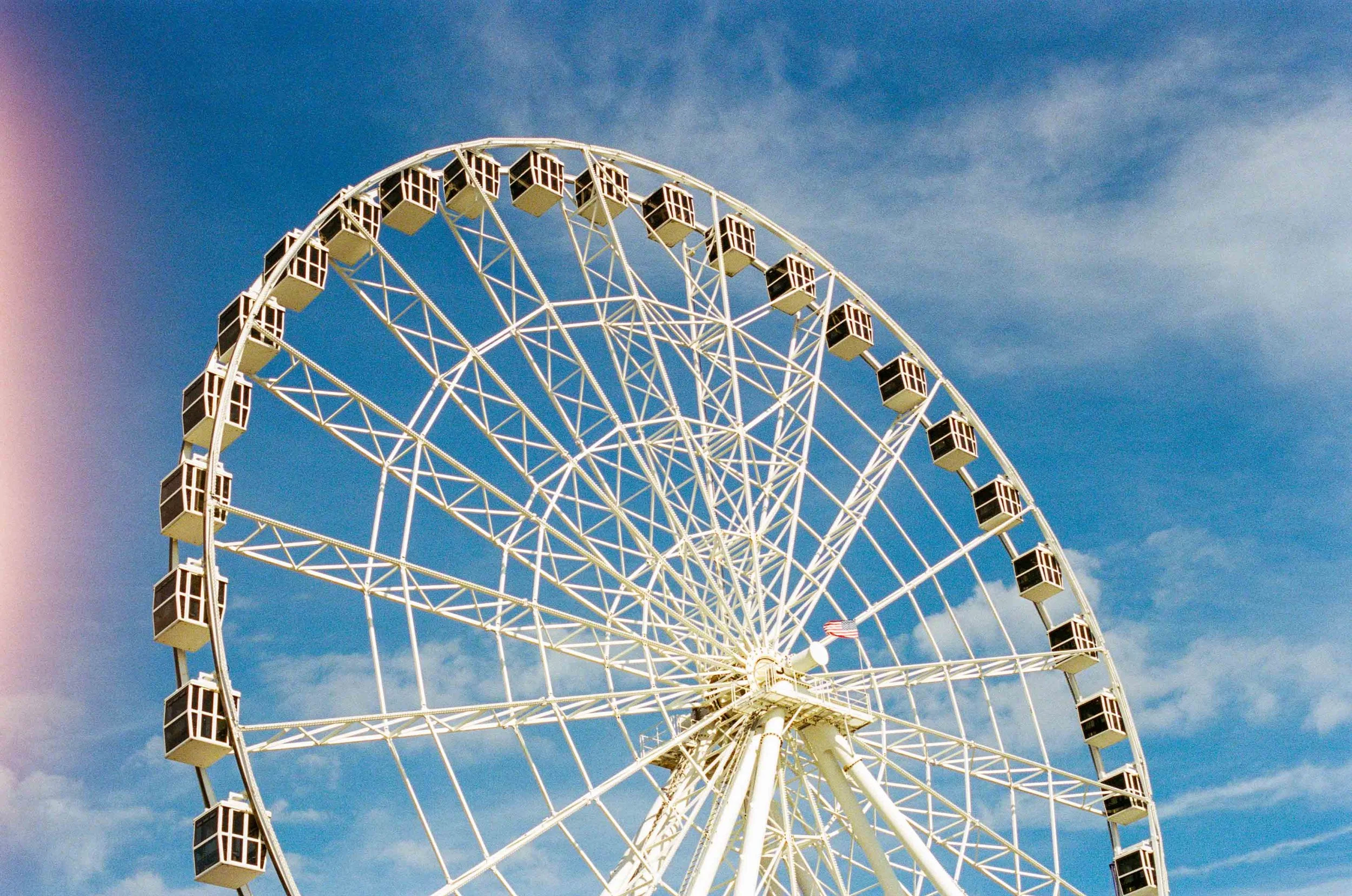
The more time I spent looking through the photographs, the more I started appreciating them for exactly what they are.
They have a vibe.
And I am loving that vibe.
There is a softness and an imperfection to film that feels completely different from digital photography. The grain that initially made me question whether something was "wrong" became part of what I liked about the photographs.
It made me realize that I don't actually want my film photographs to look like photographs from my R5.
If they did, why would I bother shooting film?
I'm beginning to understand that these are simply two different photographic mediums, and each one has something different to offer.
I Put My First Roll Through a Little Bit of Everything
For my first roll, I shot Kodak Portra 400, and I didn't want to photograph only one type of subject.
I wanted to experiment.
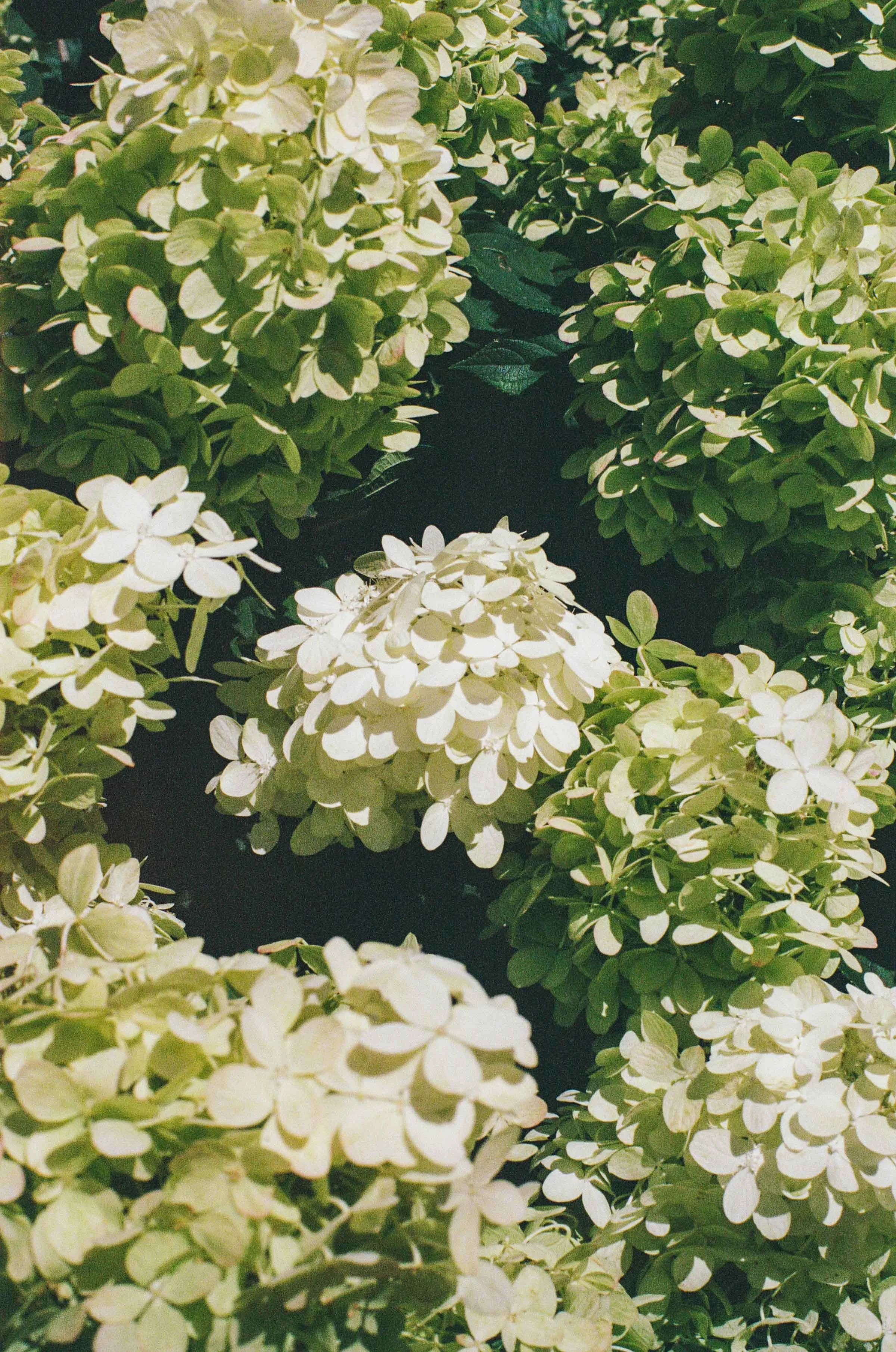
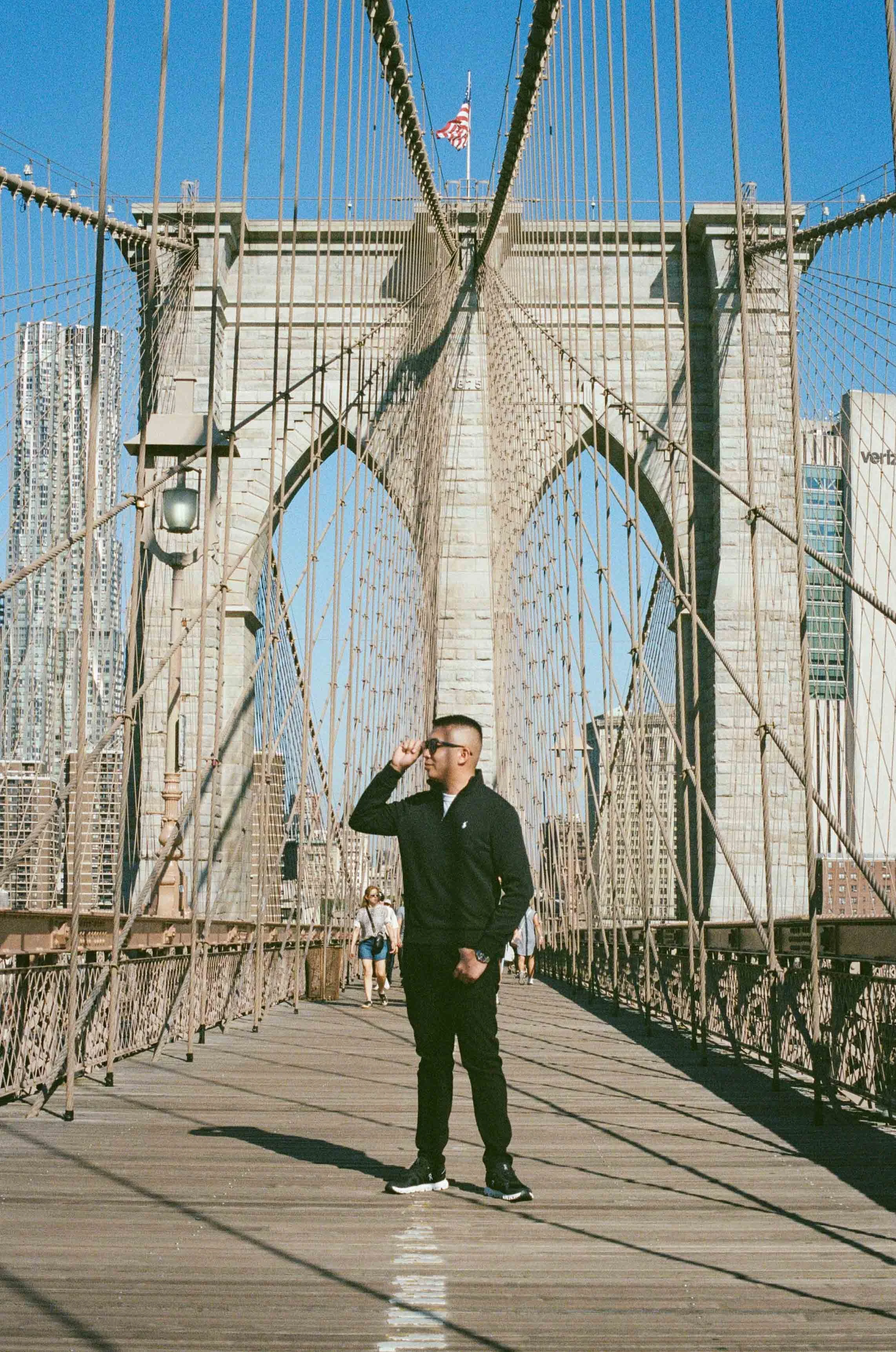
I took some landscapes. I photographed clients traveling around New York City. I brought the camera into the studio and photographed model digitals, headshots and lifestyle portraits.
I wanted to see what this camera—and film itself—would give me in completely different environments.
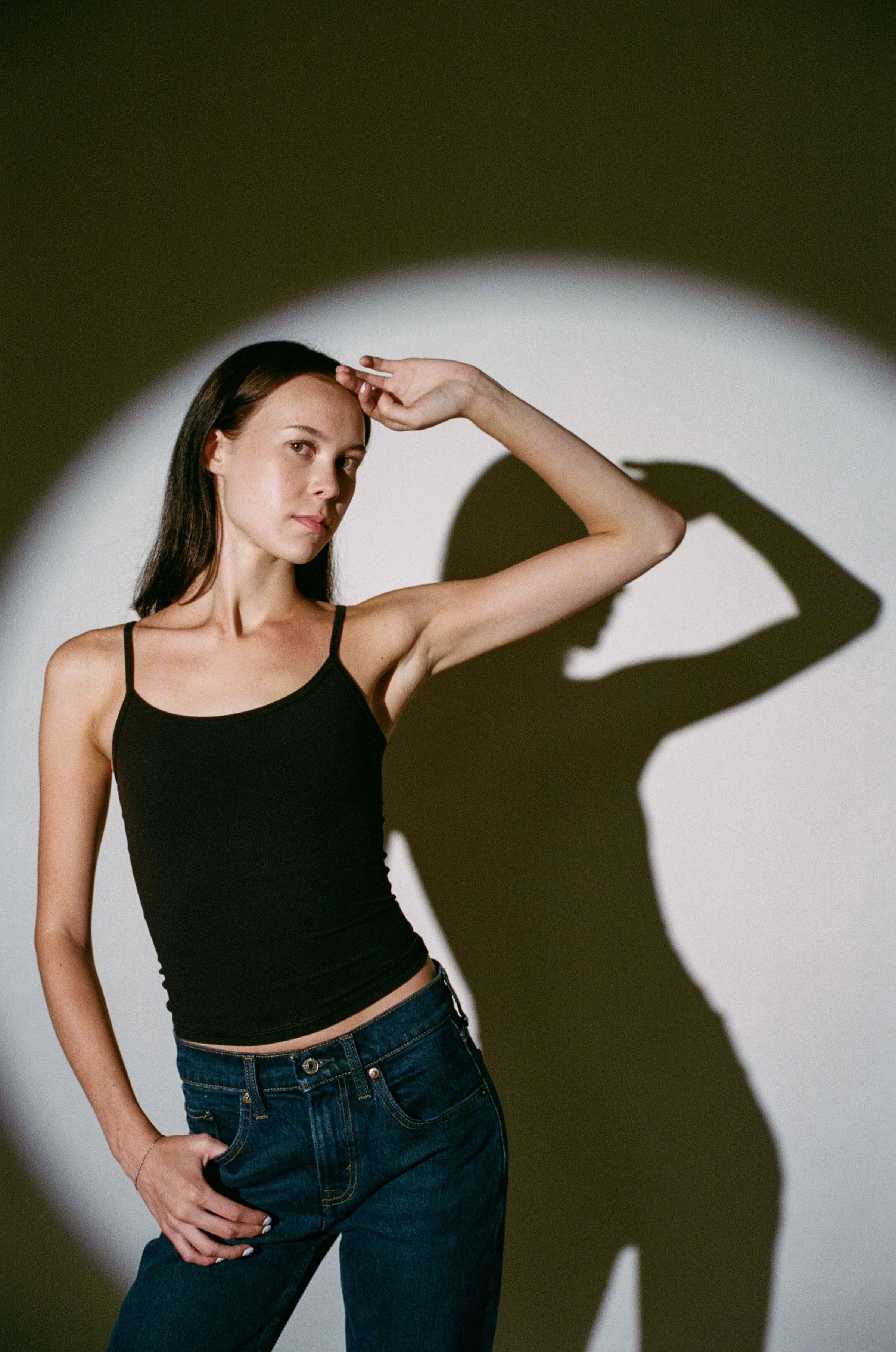
And surprisingly, my favorite results were the portraits.

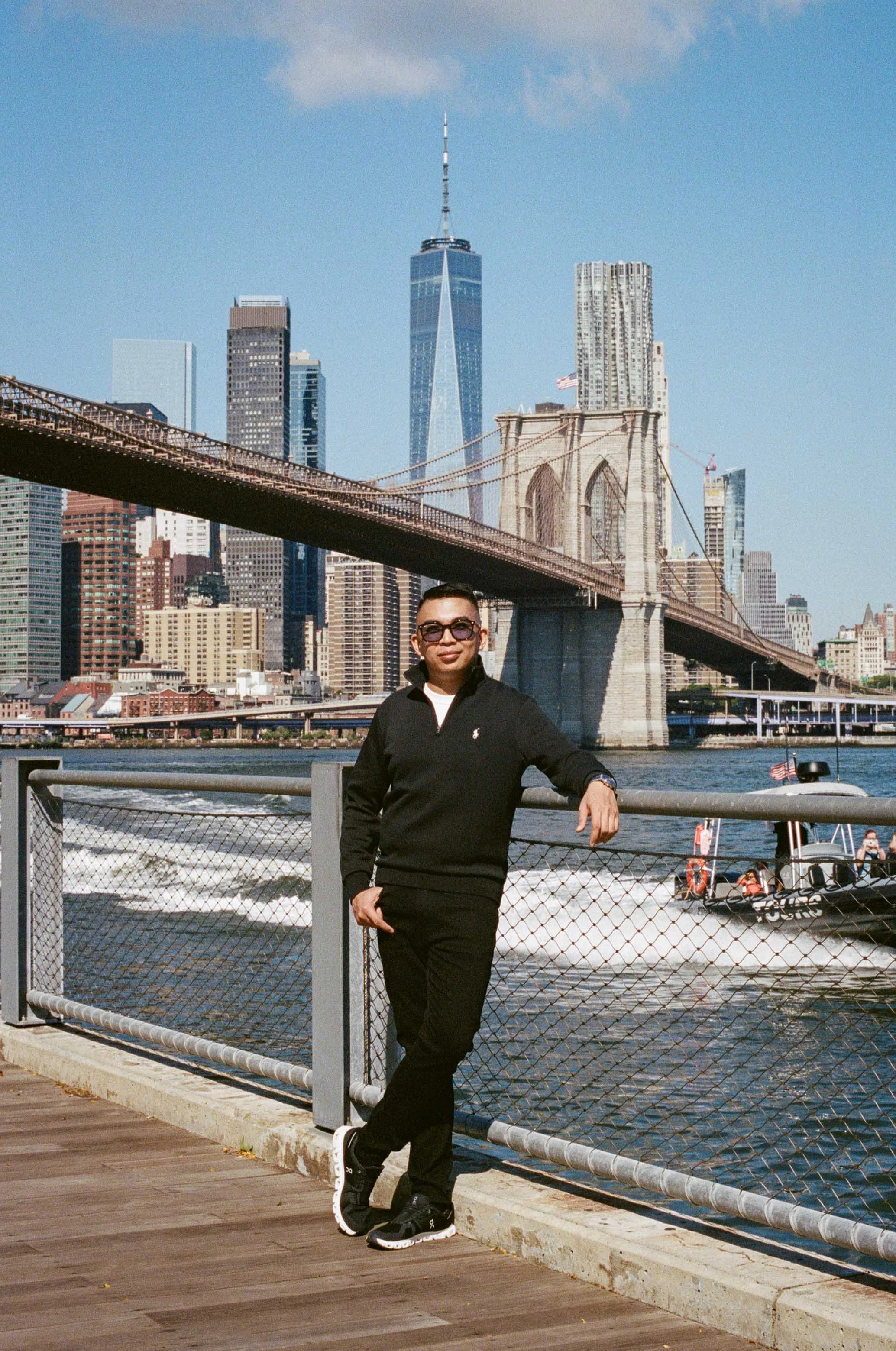
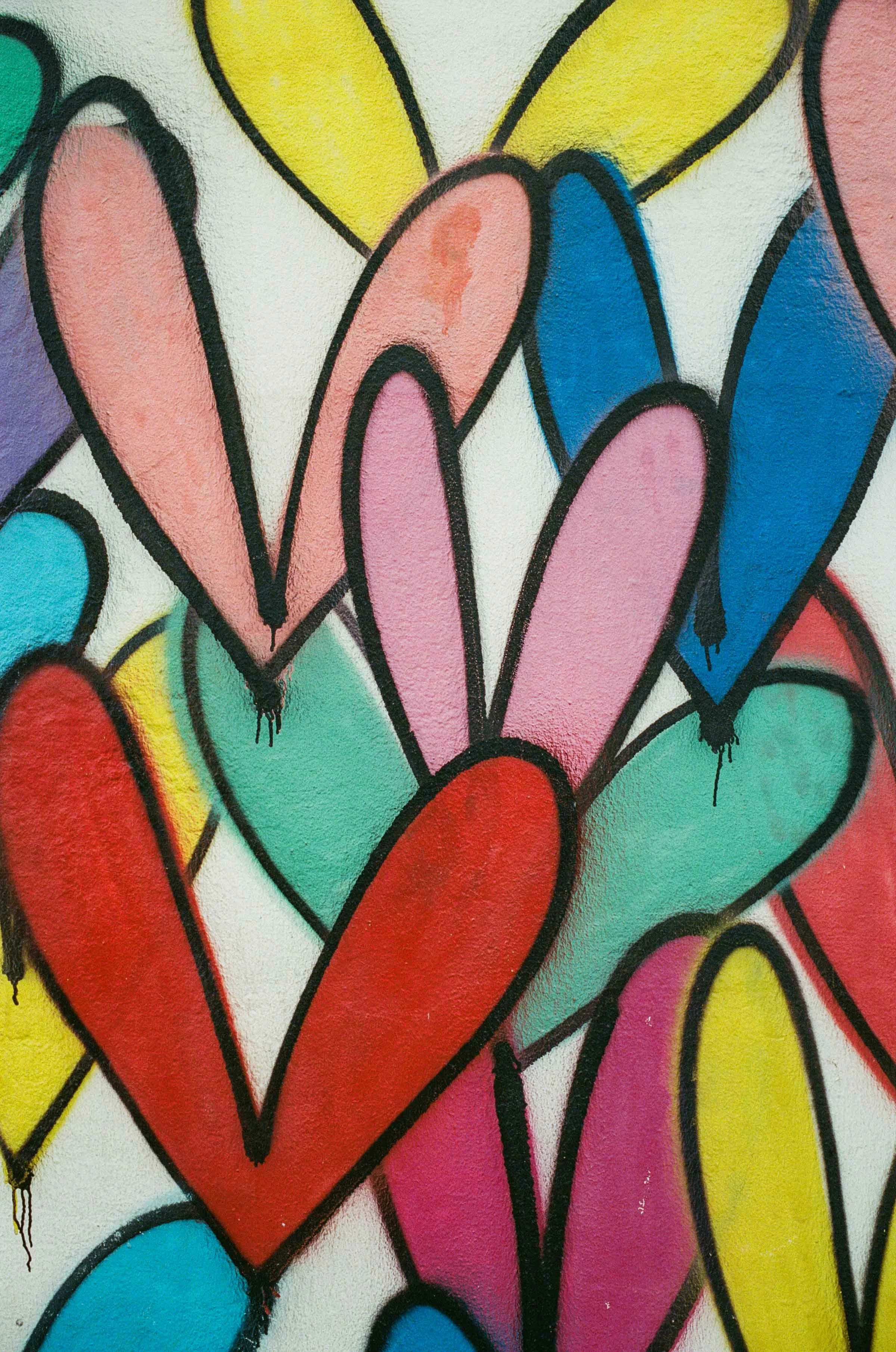


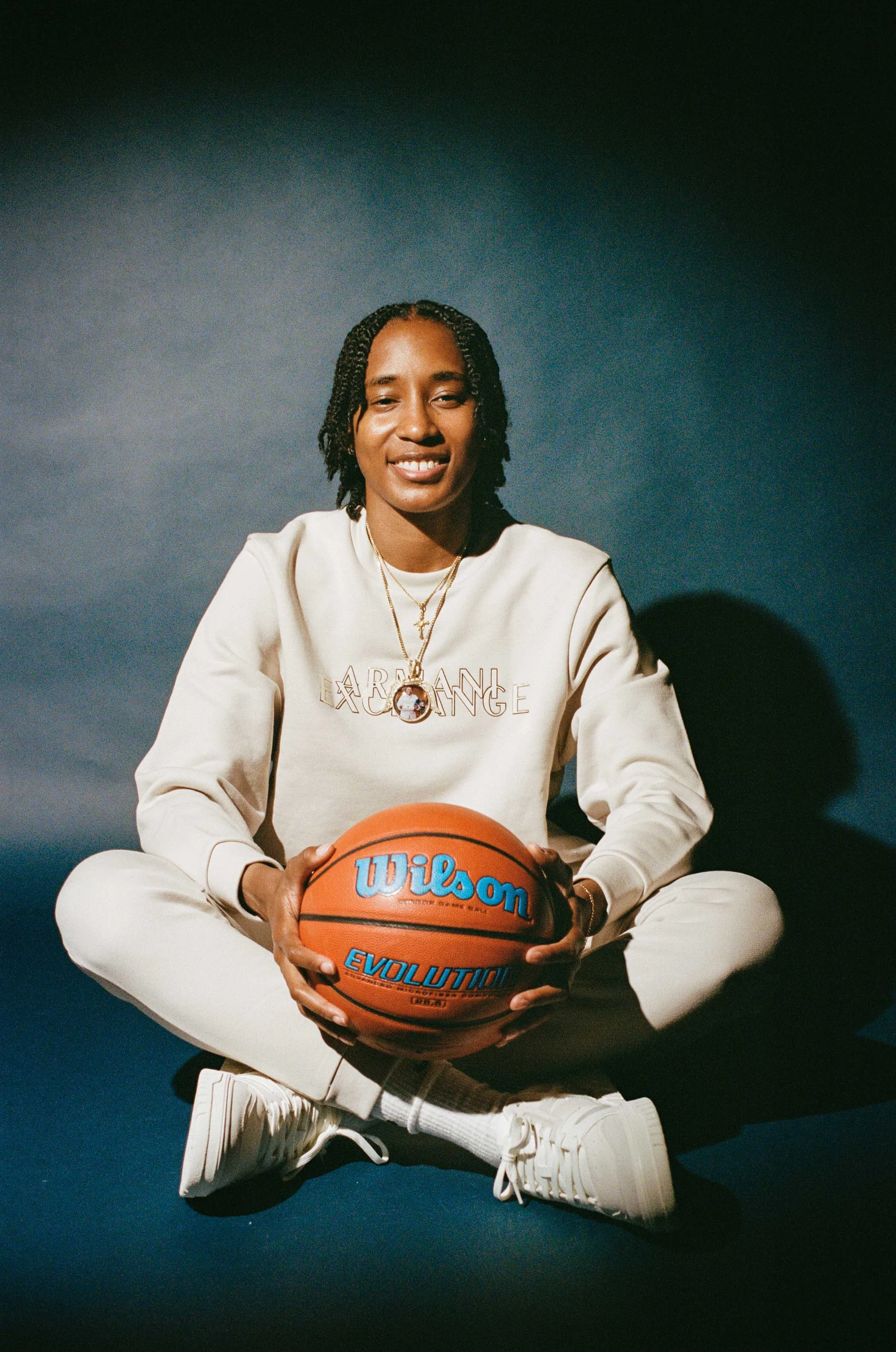
I Fell in Love With Film Portraits
This was probably my biggest revelation from the entire roll.
Skin on Portra 400 is beautiful.
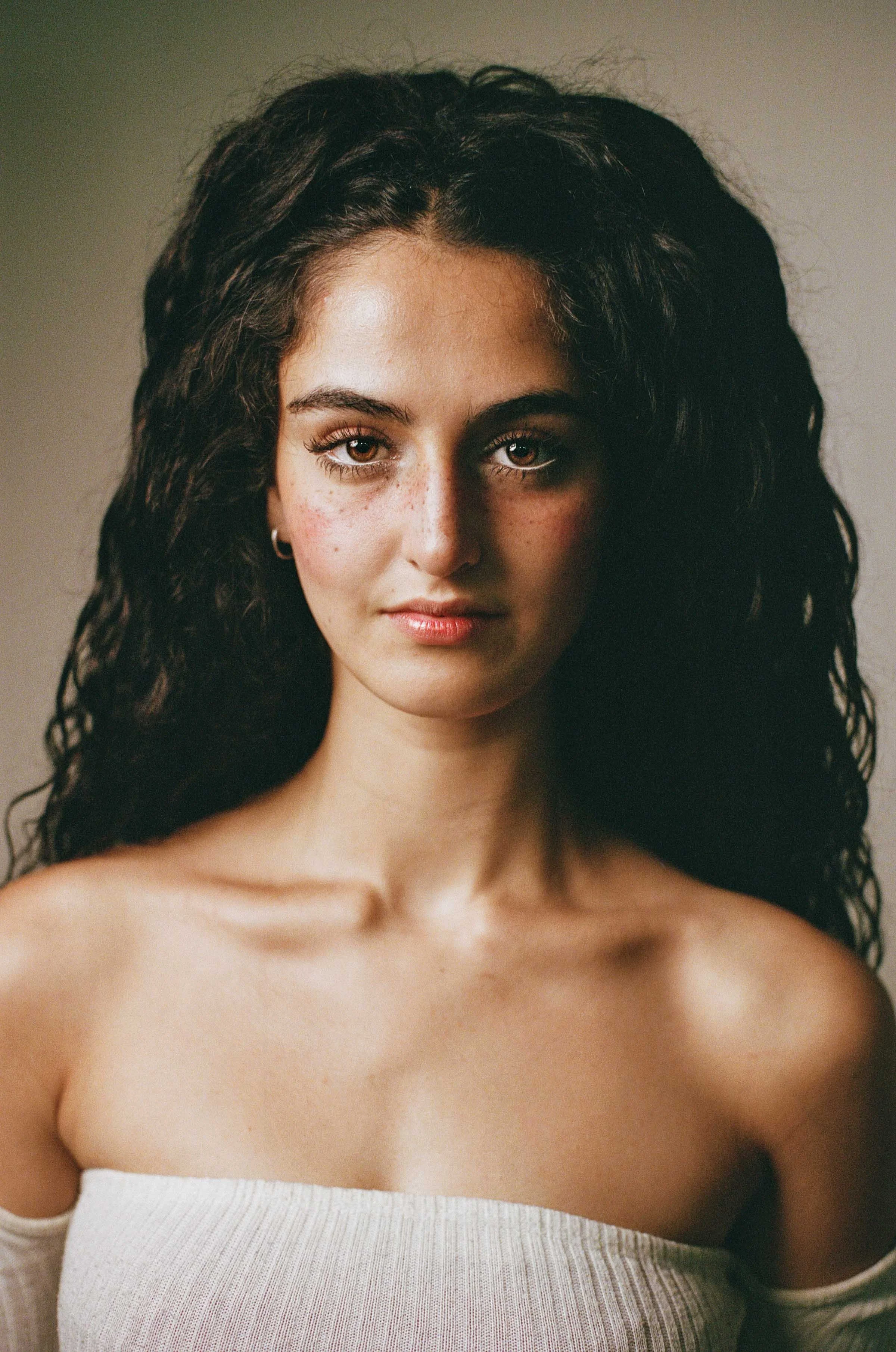
There is something about the way the film rendered skin that immediately caught my attention. It feels soft and flattering without looking artificially smoothed. Looking through some of these portraits, I don't even feel that they need the kind of extensive skin retouching I might normally consider with a high-resolution digital file.
And as someone who photographs fashion, beauty, portraits and people professionally, that is very exciting to me.
This is also where I started seeing exactly how film could become part of my professional work.
I don't want film to replace digital photography.
I want it to live alongside it.
Imagine having your regular digital photographs from a session—the beautiful, polished, detailed images I already create—and then receiving a smaller collection of photographs from that same experience captured on actual 35mm film.
Same person. Same moment. Same photographer.
But a completely different interpretation.
That is what I'm becoming interested in.
And Then There Were My Double Exposures...
Those did not go according to plan.
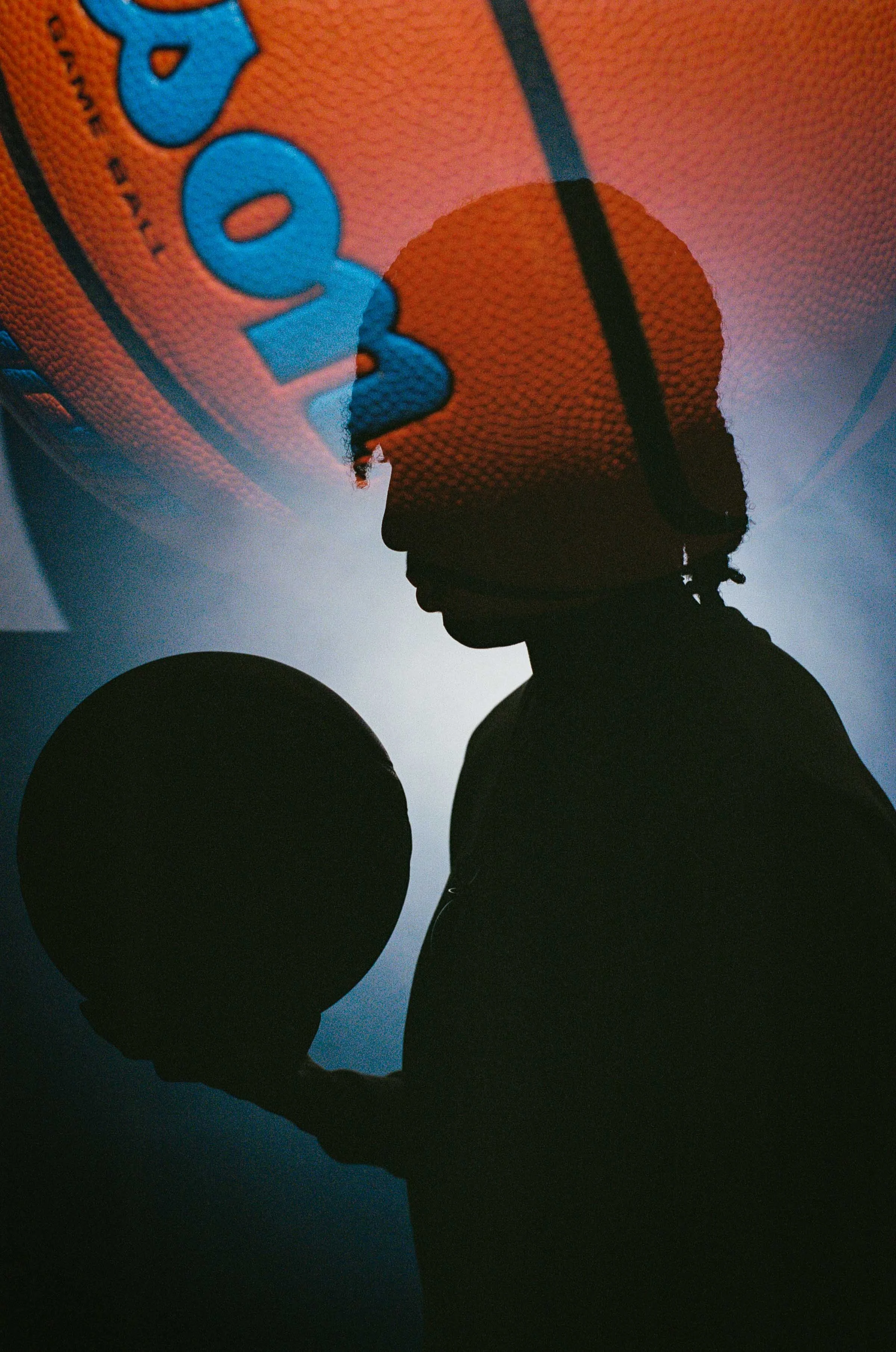
I attempted two double exposures on my first roll, and both were essentially failures.
But I'm actually okay with that.
I am learning a camera that was introduced decades before the digital cameras I use professionally today. There are mechanical processes I have never had to think about before. There is no screen telling me whether something worked. I can't simply press a button, look at the result and try again.
And double exposure adds another layer of complexity to something I'm already learning.
In my case, I didn't properly figure out the process of keeping the film positioned on exactly the same frame between the two exposures. Instead of the images perfectly overlapping, the film shifted and portions of the second exposures ended up across adjacent frames.
Not exactly the artistic masterpiece I had envisioned.
But now I know what happened.
And there will be another roll.
The Waiting Might Be One of the Strangest Parts
There was also something I hadn't fully appreciated until I experienced it myself.
You have no idea what you photographed until much later.
I shot this entire roll without knowing whether I had loaded the film correctly, whether my exposures were right, whether I had nailed manual focus, whether my experiments had worked—or whether I would end up with 36 disasters.
Then I handed the roll to the lab.
And waited.
As a digital photographer, that feels almost absurd.
But when those scans finally arrived in my inbox, opening them felt completely different from importing another memory card into Lightroom.
There was anticipation attached to every frame.
So... Do I Like Film Photography?
Yes.
But I don't think I like it because it is "better" than digital photography.
It's not.
It's different.
There are things my Canon EOS R5 can do that my Canon A-1 could never compete with, and I'm certainly not planning to abandon digital photography.
But after one roll, I finally understand why I wanted film back in my life.
It forces me to slow down. It gives me a different visual language. It produces portraits that have a character I genuinely love. And perhaps most importantly, it makes photography feel unfamiliar again.
After doing something professionally for years, there is something incredibly refreshing about becoming a beginner at a small part of it again.
I made mistakes on this roll.
I learned from them.
I got photographs I wasn't expecting.
And I got photographs I genuinely love.
Now there is already another roll of Portra 400 inside my Canon A-1, and I'm excited to see what happens next.
This is only the beginning of my film photography experiment. I'll continue documenting the process here—from learning the camera and experimenting with different film stocks to bringing film into my fashion work and eventually offering selected 35mm photographs alongside my digital photography services.
Roll #1 is officially complete. Let's see what Roll #2 brings.
Curious how my film photography journey started? Before shooting this first roll, I shared the story of why I decided to return to film photography in the first place—from my family's unexpected connection to film and developing photographs at home to finally buying my own Canon A-1. You can read the full story here: [Why I Finally Returned to Film Photography]