Why I’m Finally Shooting Film After Years of Thinking About It
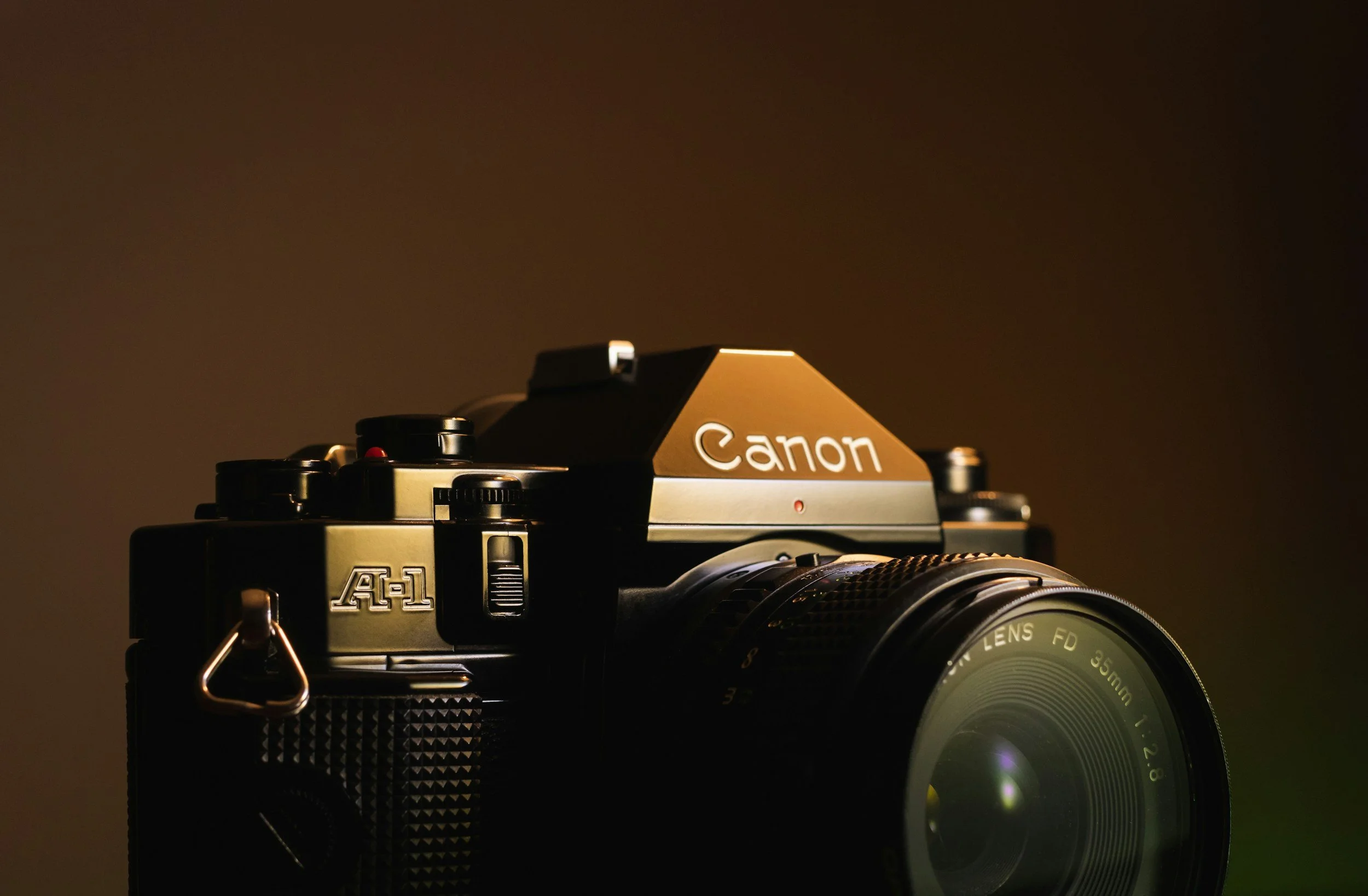
There is a Canon A-1 film camera somewhere between B&H and my apartment in New York City right now.
It should arrive tomorrow.
And somehow, I am ridiculously excited about it.
This isn't an impulse purchase or a sudden fascination with film because film photography is having a moment again. I've actually wanted a film camera for years. The thought has been sitting quietly somewhere in the back of my mind, disappearing for a while and then coming back—especially whenever I visit my family in Russia.
And I think I finally understand why.
Photography Was in My Family Before It Was My Career
My grandfather had a Zenit film camera.
Unfortunately, that camera didn't survive. I believe at some point it broke and was eventually thrown away, long before I understood how much I would have loved to have it today.
But the stories around that camera survived.
My grandfather and my mom used to develop film together at home. They didn't have some beautiful professional darkroom filled with photography equipment. They turned what was basically a tiny walk-in closet in their apartment into a darkroom and developed their photographs there.
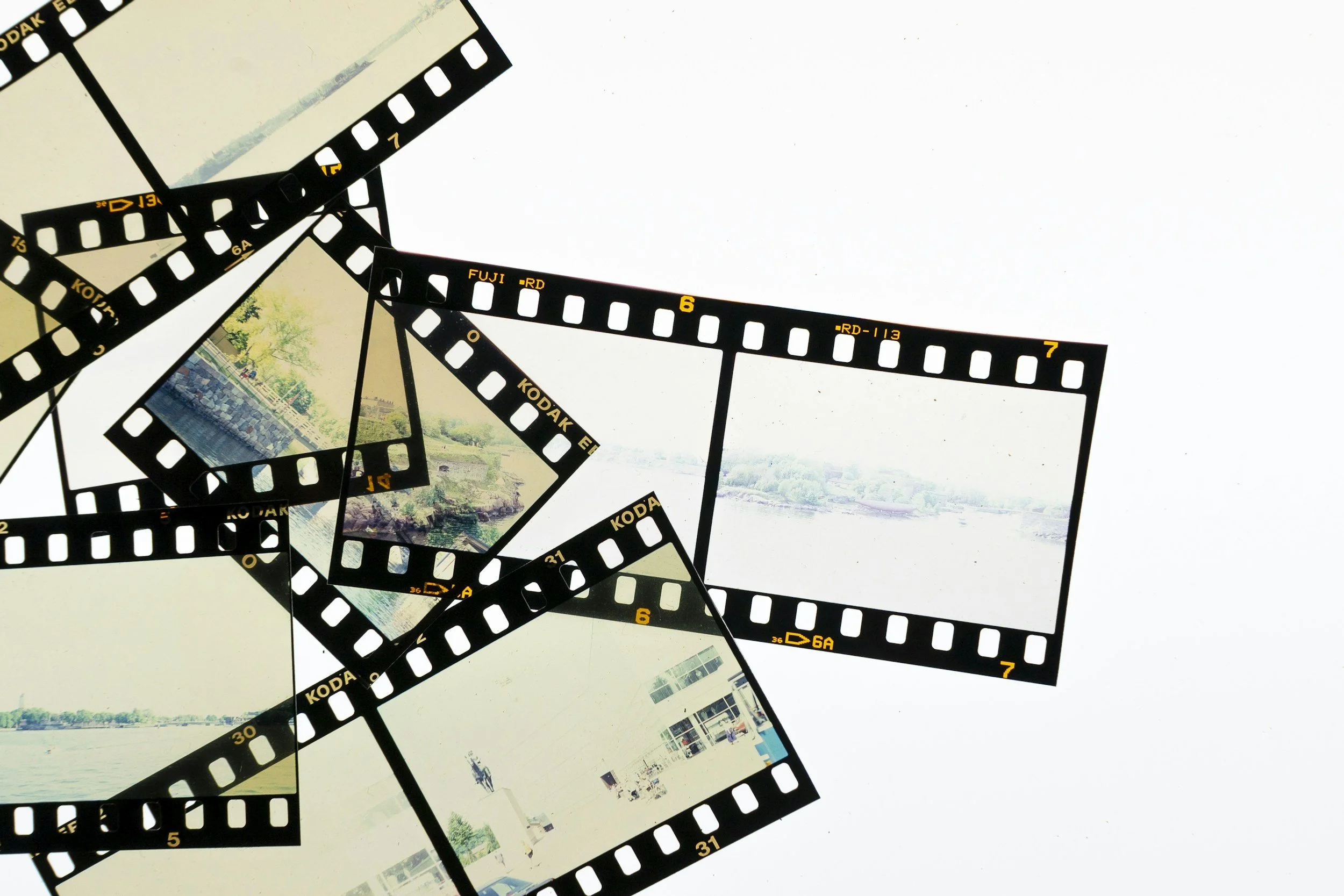
I have thought about that so many times.
For years, especially since my late teens and university days, I had this idea that one day I wanted to photograph on film myself. And over the past three years or so, that thought has been coming back more and more often.
This time, while I was visiting my family in Russia, I finally mentioned it to my mom.
I told her that I was seriously thinking about buying a film camera.
And her answer surprised me.
She told me that not very long ago, she had actually thought about buying one for me. She hadn't followed through with the idea because she wasn't sure whether I would even be interested in shooting film.
Meanwhile, I had been thinking about exactly the same thing.
I love coincidences like that.
But then there was another surprise.
I only recently found out that my dad was interested in film photography too.
My dad is an engineer, and somehow I had never imagined him being particularly interested in photography. But apparently when he was in school, he and his friends photographed on film, developed their own film and even made their own prints.
I genuinely had no idea.
So apparently photography—or at least the fascination with creating an image from a piece of film—was running through both sides of my family long before photography became such an enormous part of my own life.
Maybe that explains why the idea never completely left me.
We Actually Tried to Find Me a Film Camera in Russia
After that conversation, my mom and I started looking for a camera while I was still in Russia.
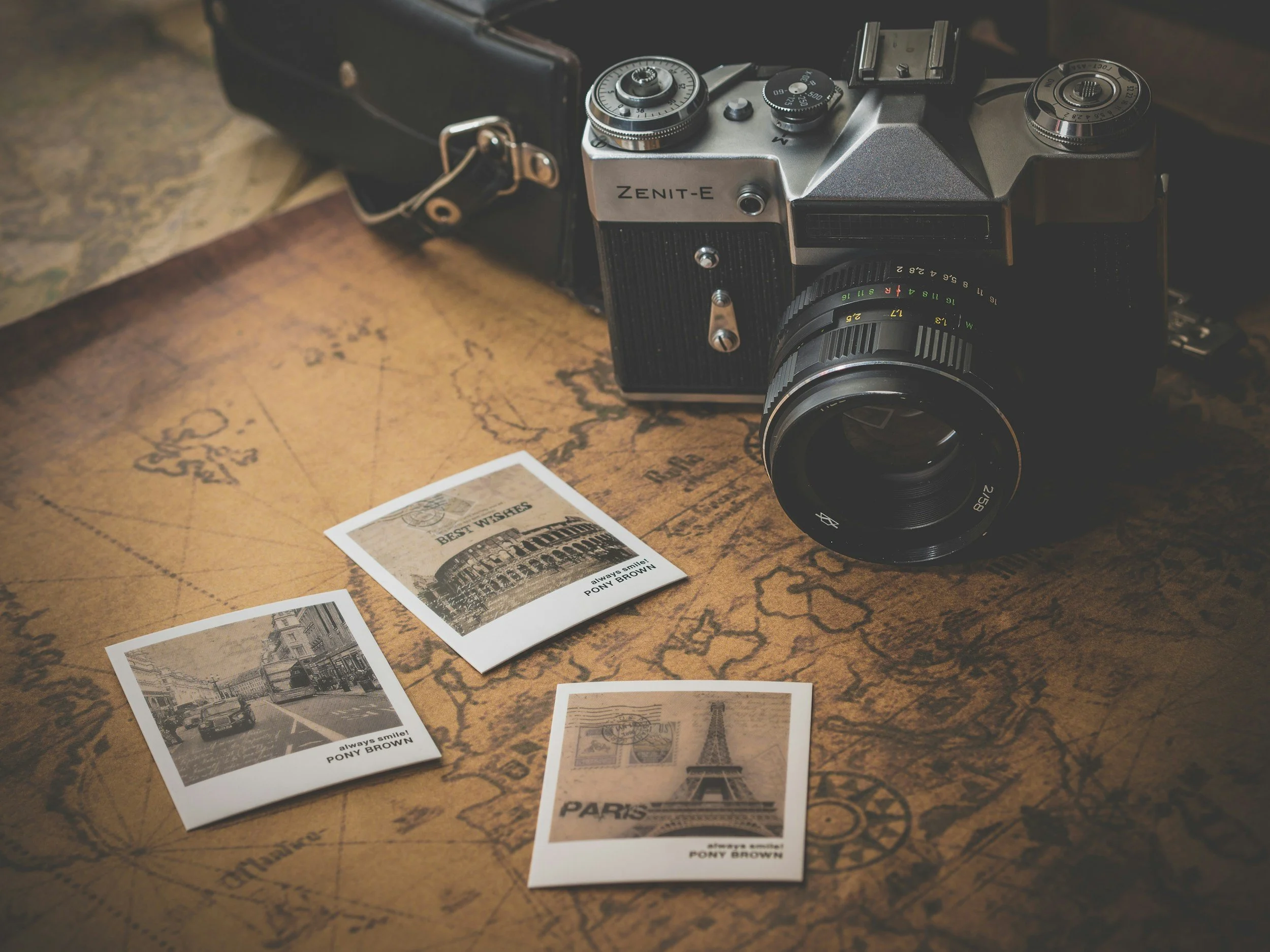
I really wanted a Soviet camera.
A Zenit would obviously have had a special meaning because of my grandfather, but I was also looking at FED cameras and a few other Soviet models.
For one reason or another, though, it just didn't work out.
I couldn't find exactly the camera I wanted in the condition I wanted it, or the delivery dates didn't work with the date I was flying back to New York.
Eventually, I left Russia without one.
But apparently I wasn't done with the idea.
Why Film Feels So Different to Me
I want to make something very clear: I love digital photography.
Digital photography is my work. It's the medium through which I've developed so much of my creativity as a photographer and artist.
I love the flexibility it gives me.
I love that I can experiment.
I love that I can make mistakes.
I love that when something is happening in front of me for half a second, I can shoot continuously and capture multiple tiny variations of that moment.
Modern digital cameras are incredible tools. My Canon EOS R5 allows me to create photographs that would have been extraordinarily difficult—or sometimes impossible—to create with older technology.
I don't see film as something that needs to replace that.
But film gives me something completely different.
Photography has always fascinated me because it captures a moment in time that will never exist again.
And film somehow makes me feel the weight of that idea even more.
With digital photography, I might capture ten or twenty photographs within a few seconds. I can look through them afterward and choose the exact expression, movement or fraction of a second that I like best.
With film, I have 36 frames.
I choose the moment.
I press the shutter.
And that frame is gone.
Even if I take another photograph one second later, it isn't really the same photograph anymore. The expression has changed. The light may have shifted. Someone has moved. I have moved.
There is something incredibly beautiful to me about that.
It makes that individual frame feel more singular.
More deliberate.
Maybe even a little more precious.
I Don't Want Digital Photography Pretending to Be Film
I've also always loved the visual quality of film photographs.
The grain. The colors. The imperfections. The way highlights and skin tones can feel. There is something about a genuine film photograph that I find incredibly beautiful.
Of course, today you can recreate a lot of that digitally.
There are countless presets designed to make a digital photograph look like Portra, Ektar, Kodak Gold or practically any other film stock.
I've tried film presets on my digital photographs once or twice.
And I never really liked it.
Not necessarily because the preset itself was bad. Some of them are probably extremely good.
It just doesn't feel right to me.
I don't consider myself only a photographer. I consider what I create to be art, and authenticity matters to me.
Of course I edit my photographs. I make adjustments. I retouch skin when necessary. I correct things that need correcting. Digital processing is part of my workflow.
But fundamentally changing a digital photograph so that it pretends to have been created through another medium feels different to me.
If I want a digital photograph, I want to create a digital photograph.
And if I want the look, texture, limitations and imperfections of film, I want to actually photograph it on film.
To me, they are two different worlds.
And I don't think one needs to imitate the other.
So I Finally Bought the Camera
After coming back to New York, the thought still wouldn't leave me alone.
And then I remembered that I have another trip coming up: California and Utah.
I am obsessed with the colors of California. The coast, the light, the roads, the landscapes—and then the completely different colors and textures of Utah.
I suddenly thought:
What if I photographed some of it on film?
That was apparently all the convincing I needed.
I started researching vintage film cameras again.
Because I intend to actually use this camera professionally, I didn't want to buy an unknown 40- or 50-year-old camera from a random marketplace seller and simply hope that everything worked.
I concentrated my search on B&H and Adorama because I wanted a reputable camera dealer, some kind of warranty and, most importantly, a camera that had actually been inspected and tested.
Eventually, I found my camera.
I ordered a Canon A-1 with a Canon FD 50mm f/1.4 lens from B&H.
Was it the cheapest way to buy an old film camera?
Absolutely not.
But the camera has been refurbished and tested, and because I'm planning to incorporate it into my professional work, that peace of mind was worth something to me.
And now it's on its way.
Why I Bought a Film Camera for My Fashion Photography
This is probably what I'm most excited about.
I want to bring film into my fashion work.
Not to replace digital photography, but as another creative medium.
I want to photograph selected fashion portraits on film. I want to experiment with it during studio shoots. I want to incorporate a handful of film frames into certain client sessions.
I love the idea that in a world where practically everything is digital, I can create something physical and unpredictable alongside my digital photographs.
Imagine photographing an entire fashion story digitally—and then choosing just a few moments that deserve a frame of film.
Those photographs aren't simply digital images with a film preset applied afterward.
They began as light hitting an actual piece of film inside a camera manufactured decades ago.
There is something about that process that feels very special to me.
And eventually, once I've learned the camera and developed a film portfolio I'm proud of, I would love to offer film photography as an additional option for some of my clients.
And Of Course, I'm Taking It Traveling
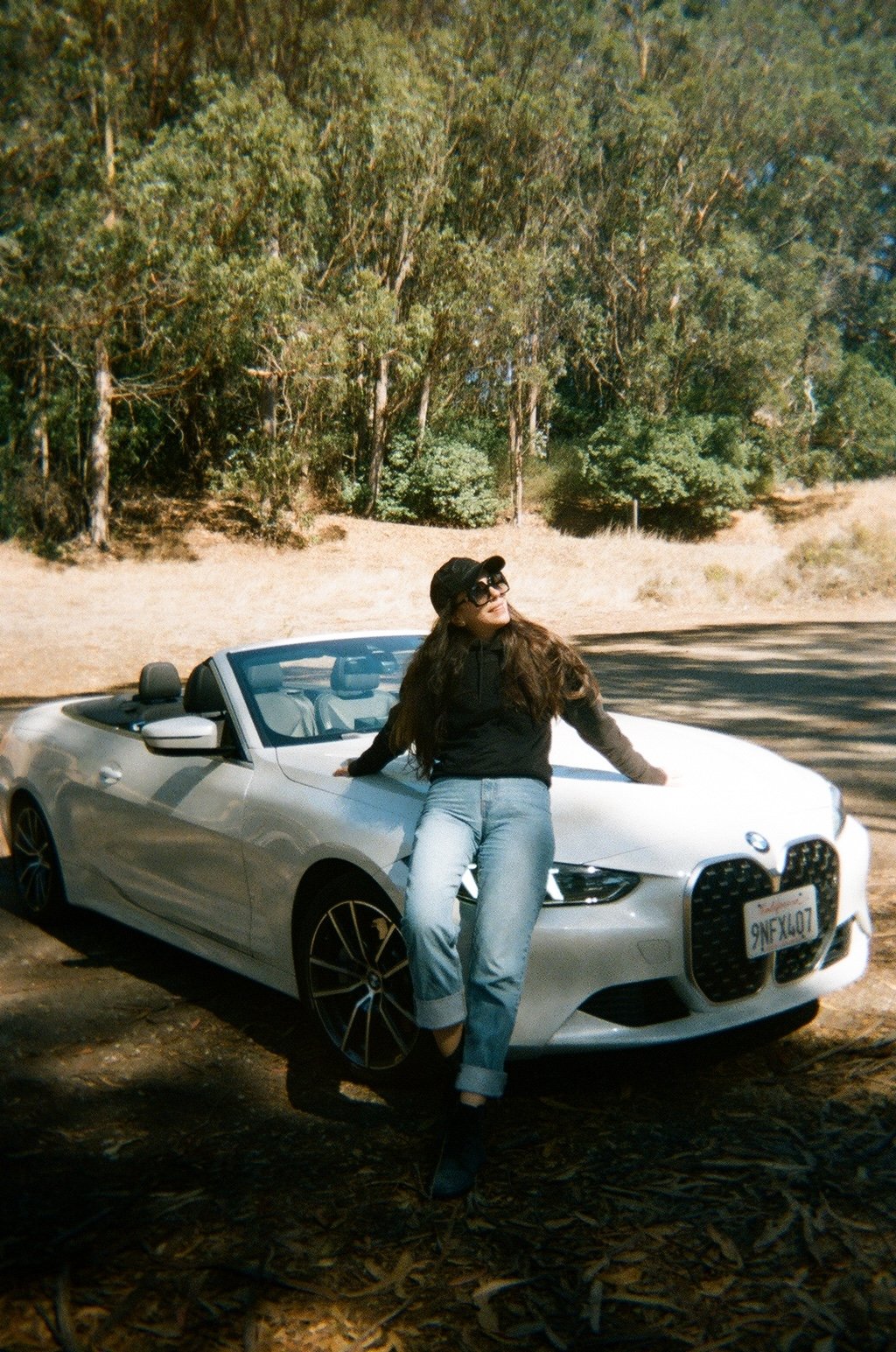
There was never really a question about this.
If I have a camera, eventually it is coming around the world with me.
I want to photograph California on film. I want to photograph Utah on film. I want to photograph New York on film.
And eventually I would love to create a fine-art print collection photographed entirely on film.
I don't know what that collection looks like yet.
I don't think I'm supposed to.
That's part of what makes starting something new exciting.
Tomorrow, the Journey Actually Begins
My Canon A-1 should arrive tomorrow.
And despite having spent years working professionally with cameras, I suddenly feel like a beginner again.
I have to learn how to load film properly.
I have to get comfortable manually focusing.
I have to remember that I can't change my ISO whenever I feel like it.
I have to think before I use one of my 36 frames.
And perhaps strangest of all, I have to press the shutter and walk away without seeing the photograph I just made.
I won't know exactly what I captured until the film is developed.
I love that.
I don't expect film photography to replace my Canon EOS R5 or the digital photography that I love.
Instead, I see this little vintage Canon becoming another tool for telling visual stories—creating selected moments for my fashion work and my clients, and capturing pieces of the world as I travel through it.
And somehow, knowing that my grandfather once photographed with his Zenit, that my mom stood beside him developing film in a tiny closet, and that my dad was making his own prints with friends long before I ever became a photographer makes this new chapter feel strangely familiar.
Maybe I'm not really discovering film photography.
Maybe, in a very small way, I'm finding my way back to it.
My camera hasn't even arrived yet.
So this is only the beginning.
In the next posts in this series, I'll share what happens when I shoot my first roll, what I learn, what I get wrong, what it feels like to finally see those first developed photographs—and eventually, what happens when I start bringing film into my fashion photography.
Let's see where 36 frames take me.