Double Exposure Photography: The Creative Technique That Reignited My Curiosity
One of the things I love most about photography is that there is always something new to discover. No matter how many years you've been behind the camera, there's always another technique to learn, another creative challenge to solve, or another way of seeing the world. That's exactly what happened when I started noticing more and more photographers sharing beautiful double exposure photographs. At first, I was convinced these images were carefully created in Photoshop. The results looked so artistic and surreal that I couldn't imagine they were being produced any other way.
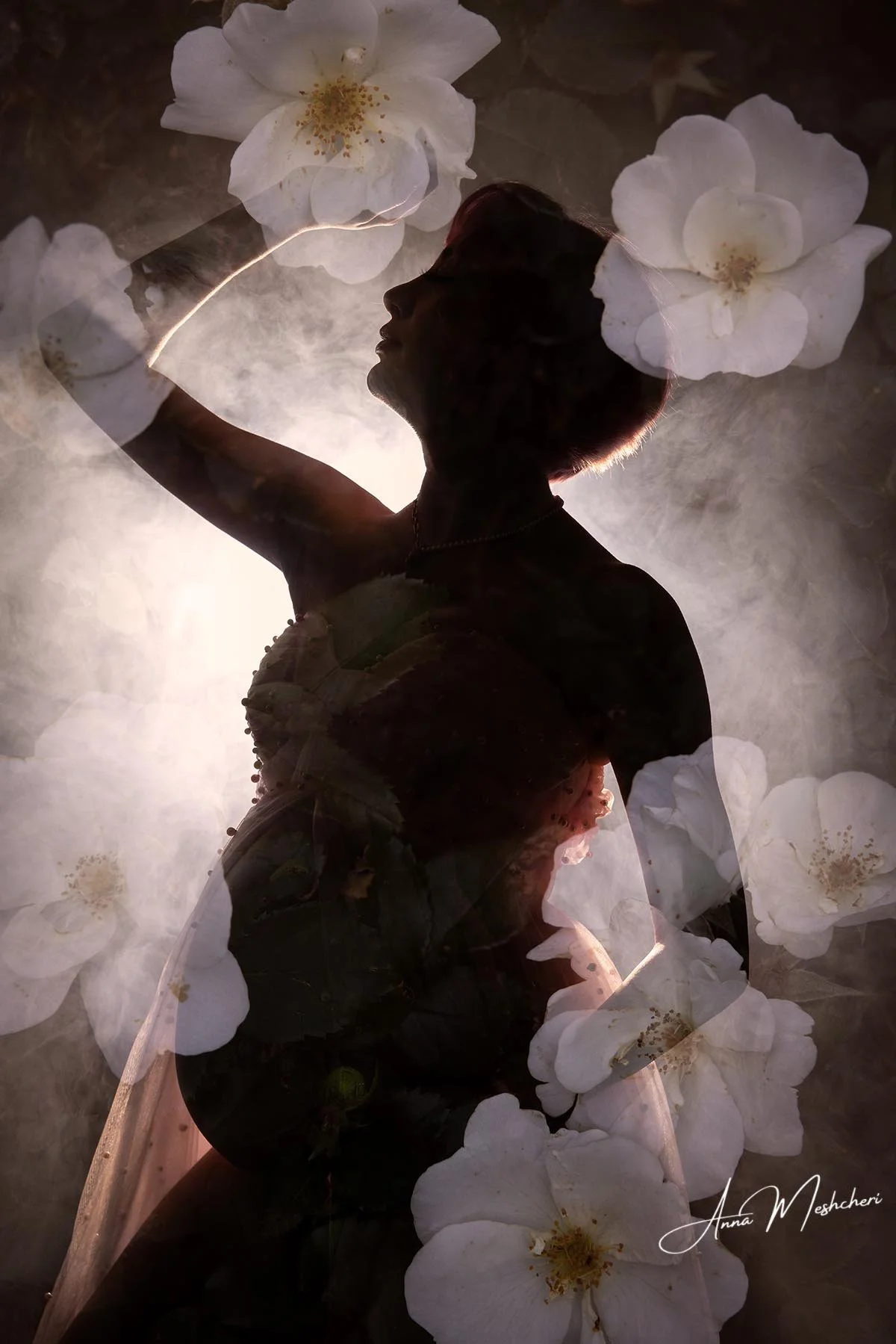
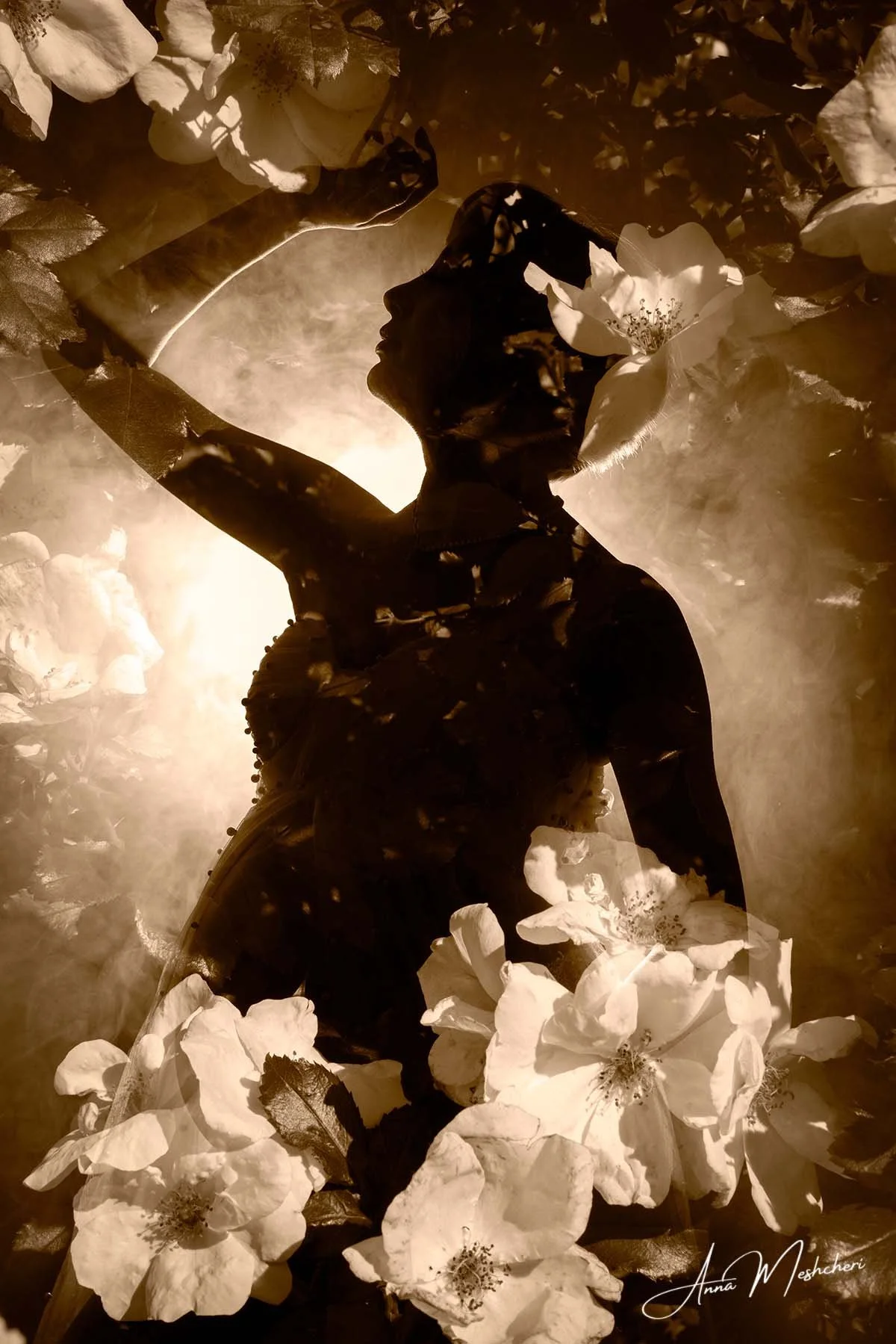
Years ago, I actually purchased a collection of beautiful overlay files created by another photographer. The idea was to combine portraits with landscapes, flowers, city lights, and other textures to create dreamy, artistic images. Naturally, I wanted to experiment with them myself. I created one photograph using those overlays, and I genuinely liked the final result. It was beautiful, and I learned a lot about how those composites work. But despite being happy with the image, something about it didn't feel completely satisfying from an artistic perspective.
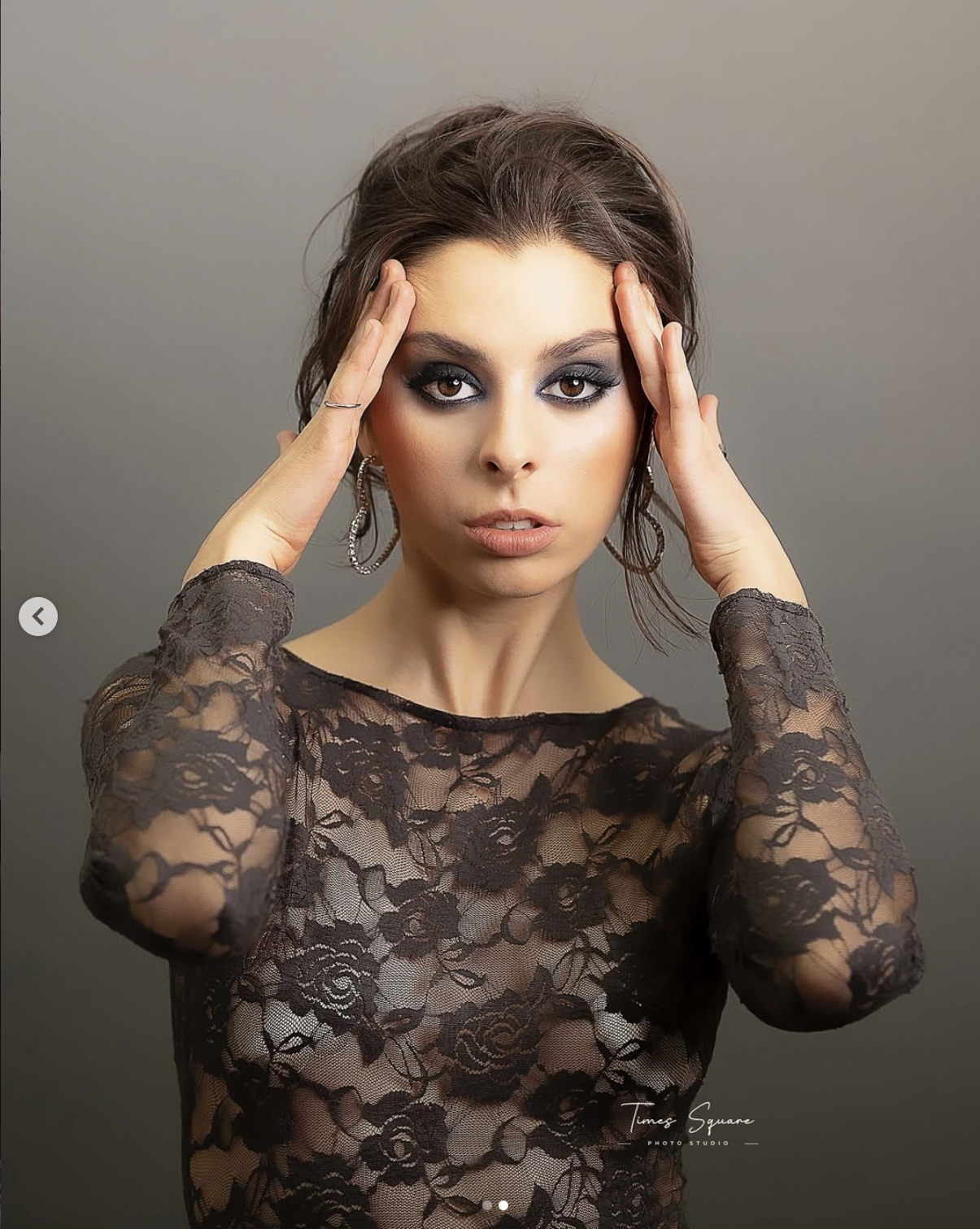
Original Portrait, 2022
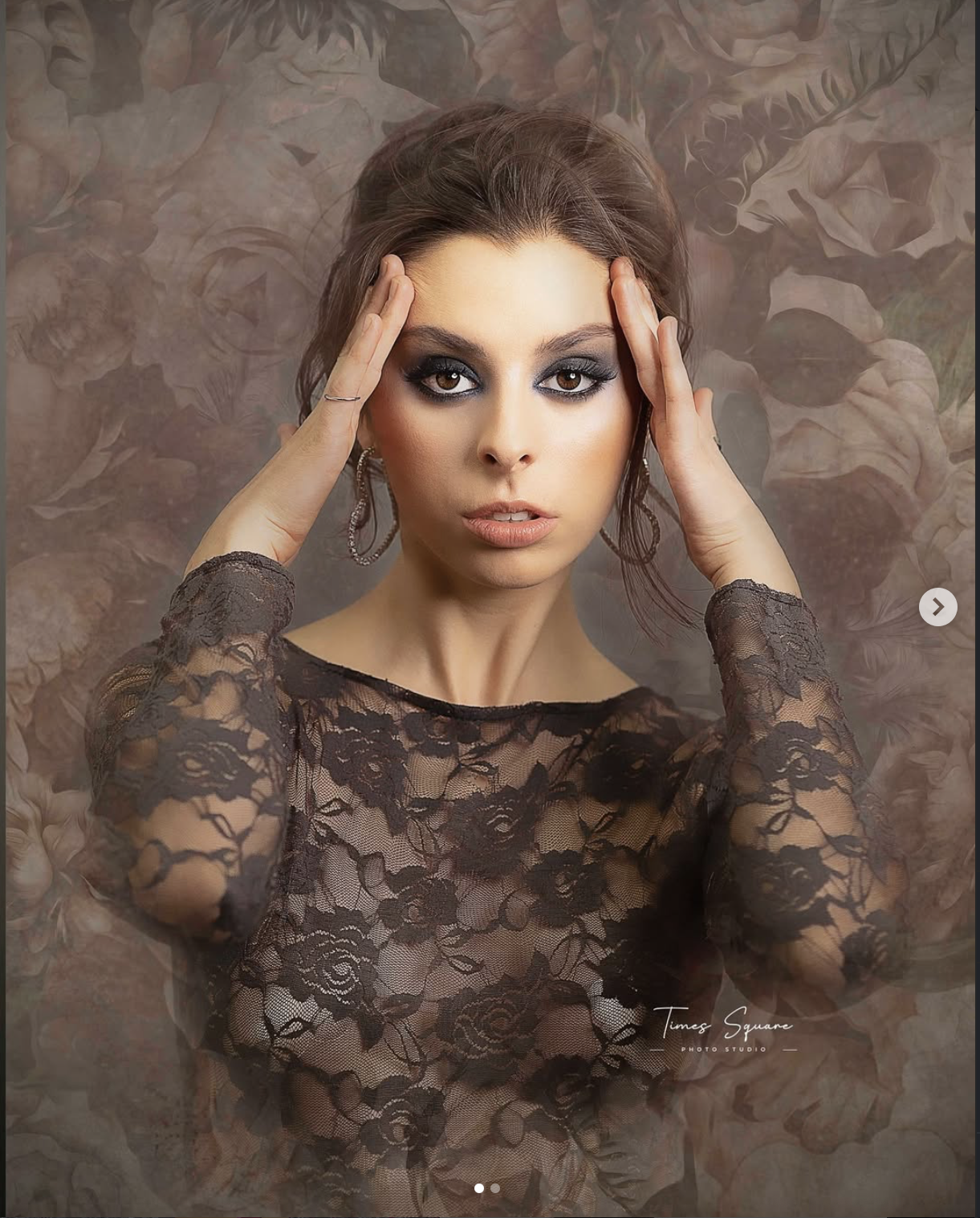
Portrait with Floral Overlay
If you've read some of my previous blog posts, you've probably noticed a common theme throughout my work. Whether I'm experimenting with smoke, creative lighting, or using my Prism Lens FX filters to produce unusual reflections and effects, I've always enjoyed challenging myself to create as much as possible inside the camera. Of course, Photoshop is an incredible tool, and I use it as part of my professional editing workflow. This isn't about saying one approach is better than another. It's simply that I personally find it far more rewarding when I achieve a creative effect while I'm taking the photograph instead of building it afterward on my computer.
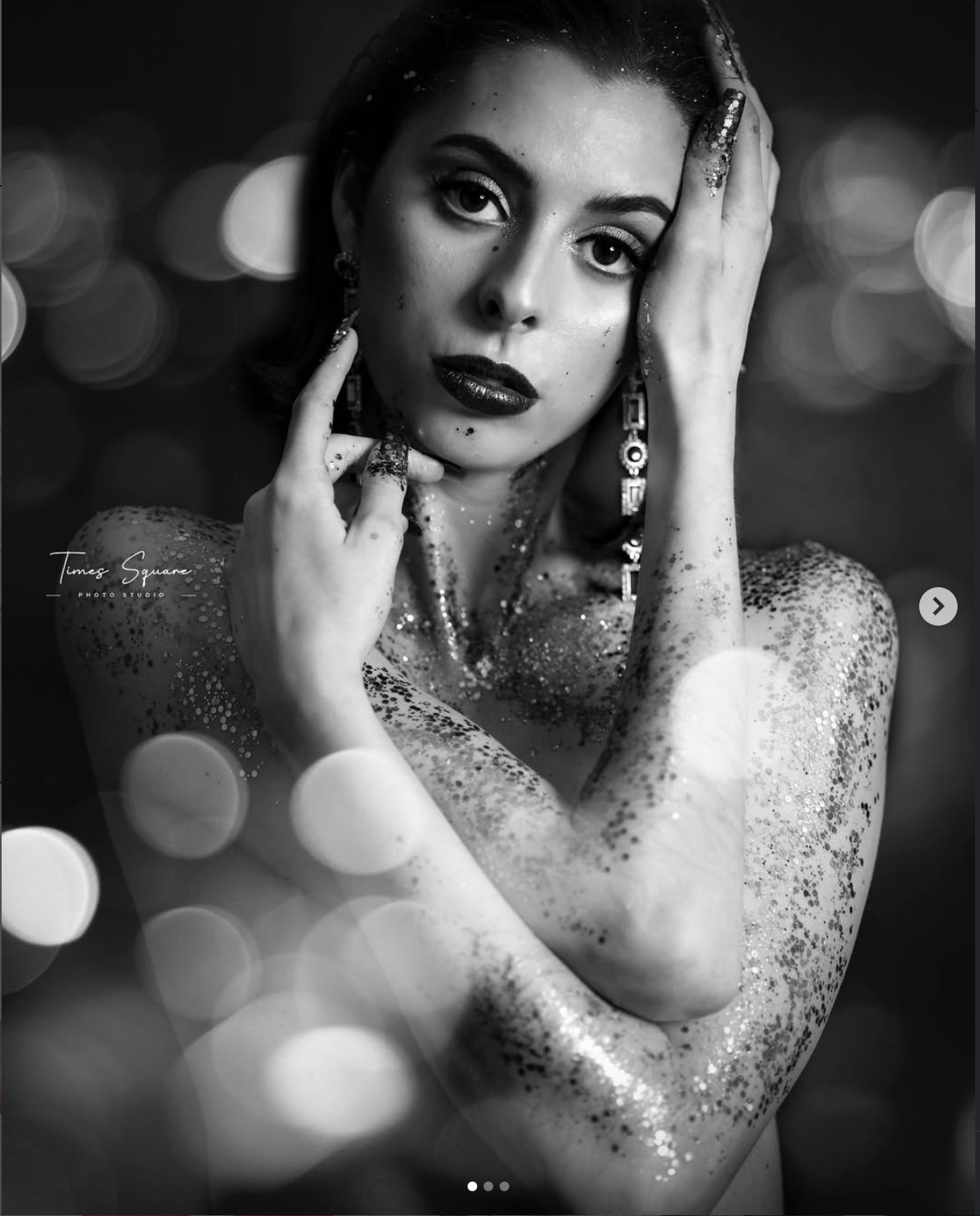
Bokeh Overlay
Because of that philosophy, I only experimented with overlays once. I enjoyed the process, and I liked the finished image, but I never found myself going back to it. For me, the excitement comes from solving creative problems during the photo shoot. I love looking at the back of my camera and seeing something unexpected that was created in that exact moment. That's the part of photography that keeps inspiring me and pushes me to continue learning.
Then, recently, I started seeing more and more photographers sharing double exposure images that weren't Photoshop composites at all. They were creating these incredible photographs directly inside their cameras. My first reaction was, "Wait... how is that even possible?" Like most photographers, my curiosity immediately took over. I started watching tutorials, reading articles, and trying to understand how the process worked.
That's when I discovered something that genuinely surprised me. Many modern cameras already have a built-in Multiple Exposure feature. Somehow, I had owned my camera for quite some time without ever realizing it was there. Even better, my Canon EOS R5 already included everything I needed to start experimenting. The feature had been sitting in my camera all along—I just hadn't discovered it yet. The moment I found it, I couldn't wait to start learning.
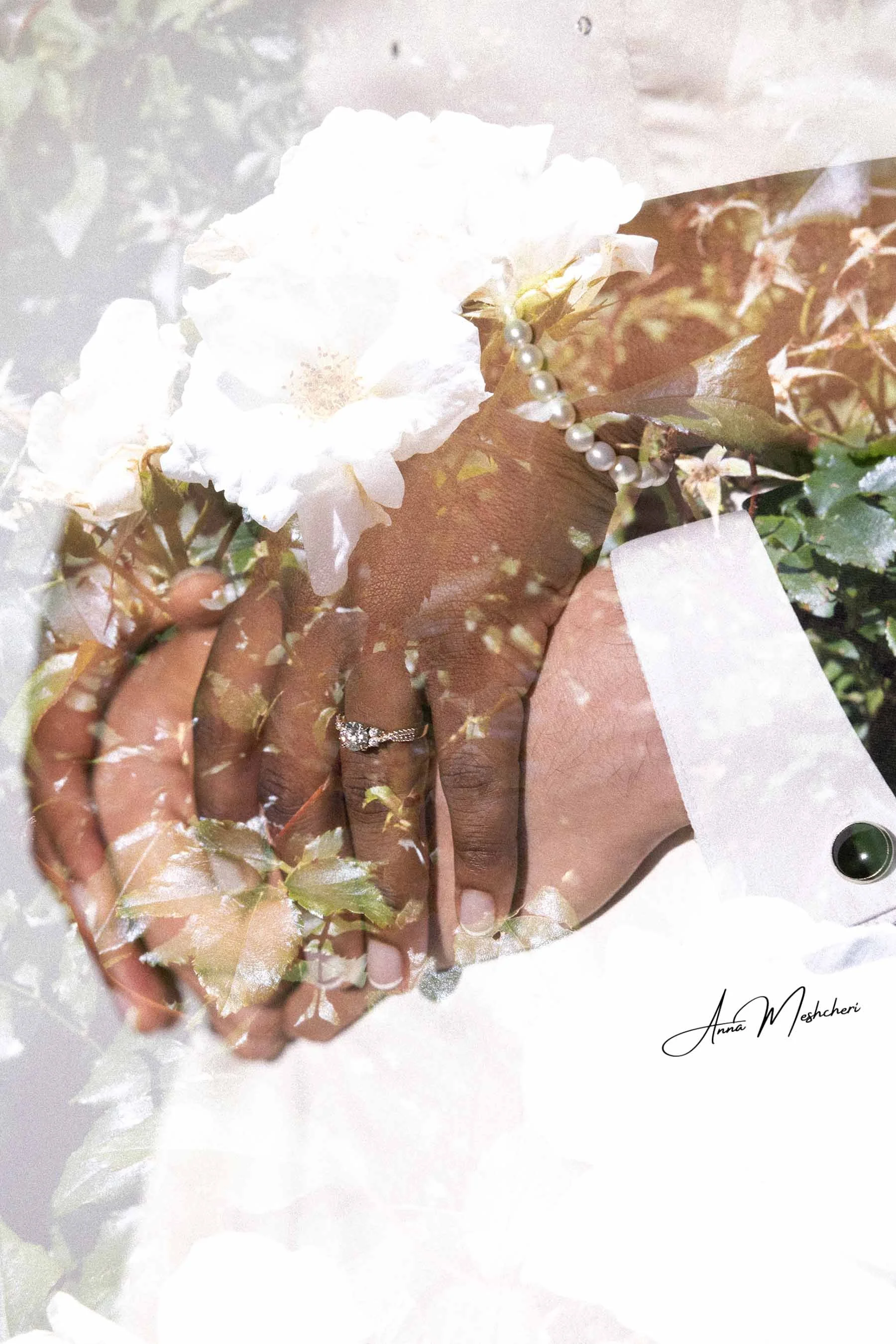
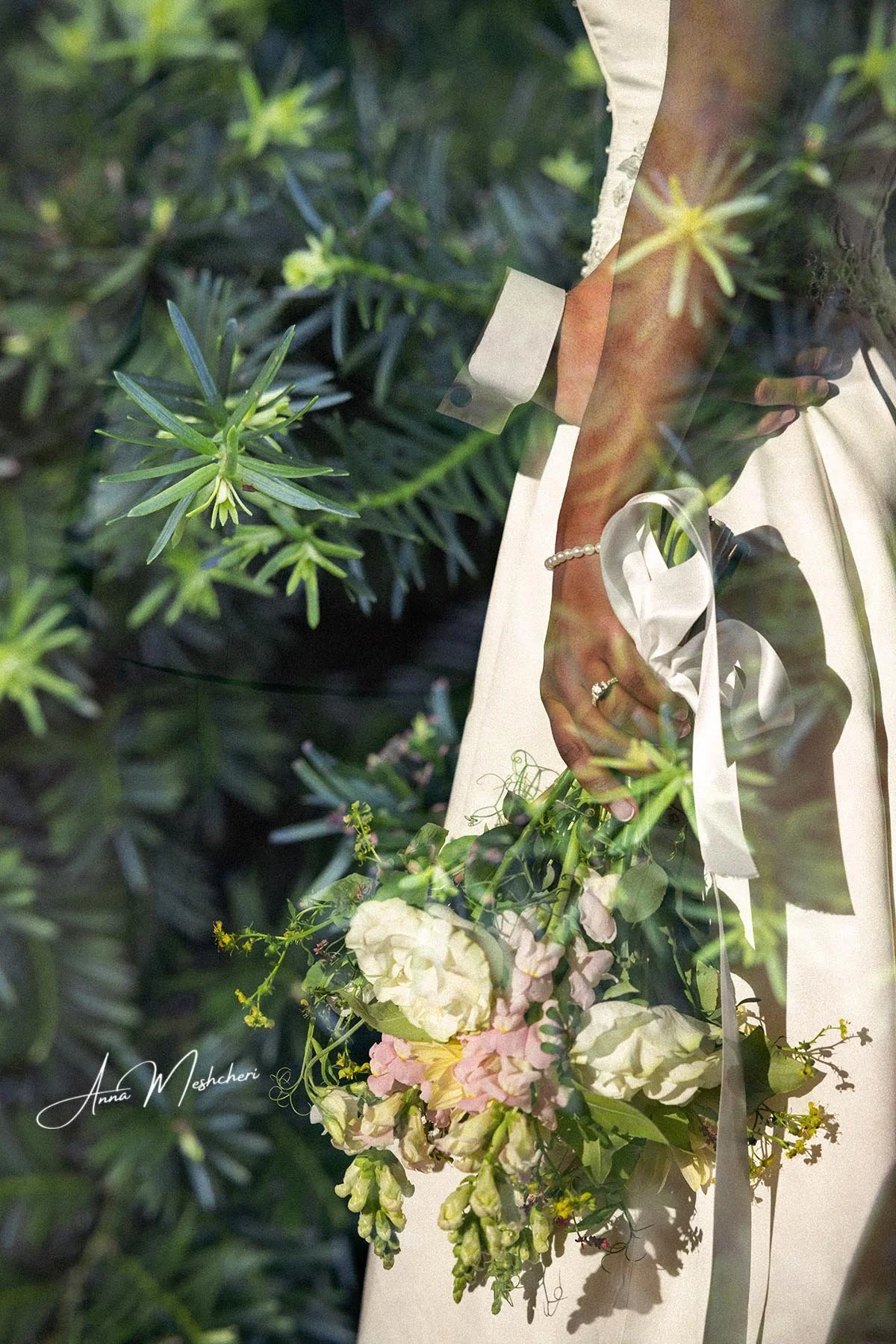
Since then, I've been experimenting with creating true in-camera double exposures, and I honestly feel like I've discovered a completely new creative outlet. What excites me most about this technique is that it finally allows me to combine two of my biggest photographic passions into a single image. Fashion and portrait photography have always been one side of my creative work, while travel and landscape photography have been the other. For years, those two worlds existed separately. Now I can blend them together into one photograph, allowing portraits to become part of the places I've visited and landscapes to become part of the stories I'm telling through fashion.
To me, these photographs feel like more than portraits or travel images. They feel like small pieces of art. Every double exposure carries two stories at once—one about a person and another about a place. As someone who has always loved both fashion photography and travel photography equally, this technique feels like the perfect way to bring those passions together.
That doesn't mean creating double exposures is easy. While the camera does the blending, the creative vision still belongs to the photographer. You have to think ahead, visualize how two images will interact, understand how light affects both exposures, and choose subjects that complement each other instead of competing for attention. Like any creative technique, it takes practice, patience, and plenty of experimentation. I'm still very much learning, but that's exactly what makes the process so exciting.
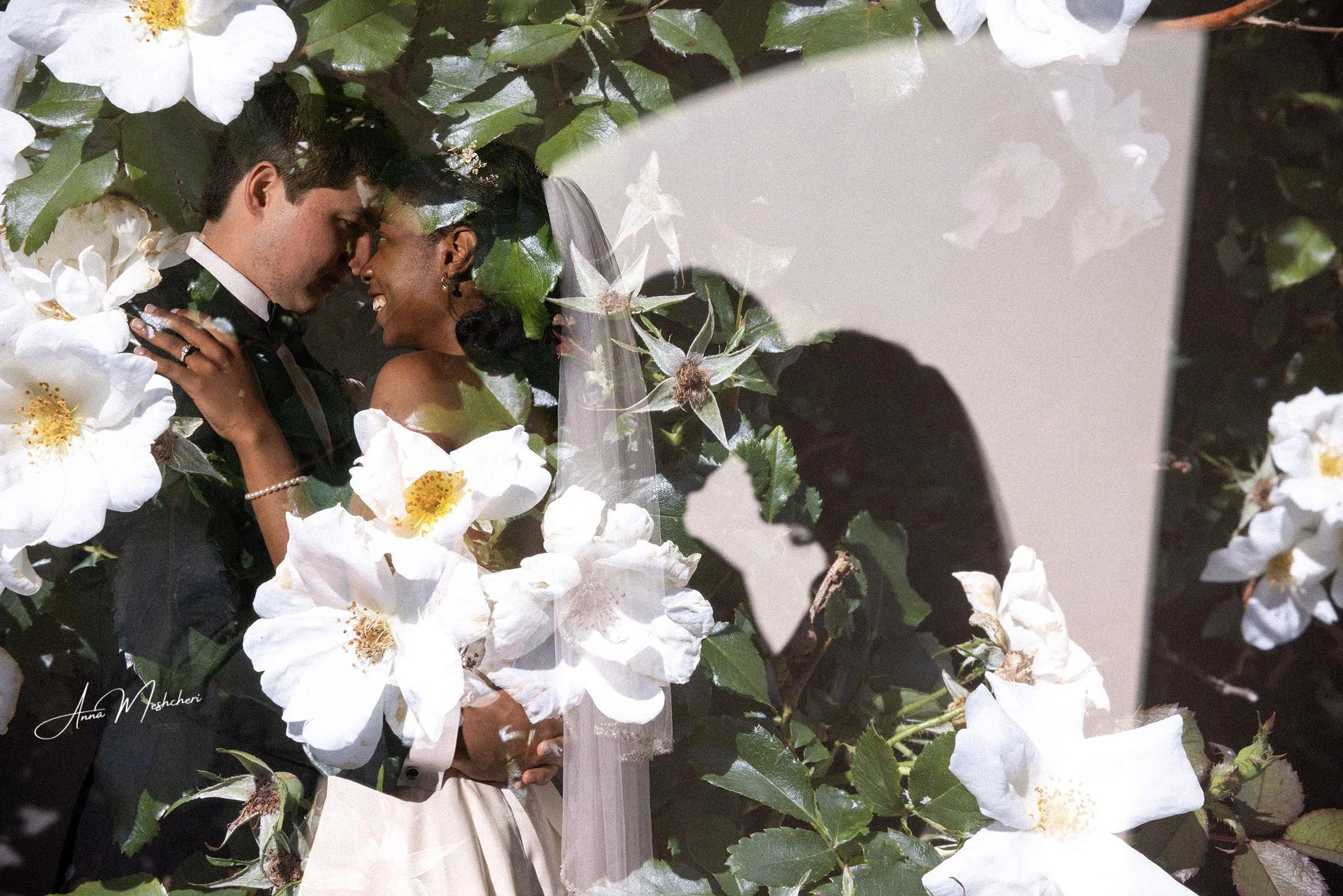
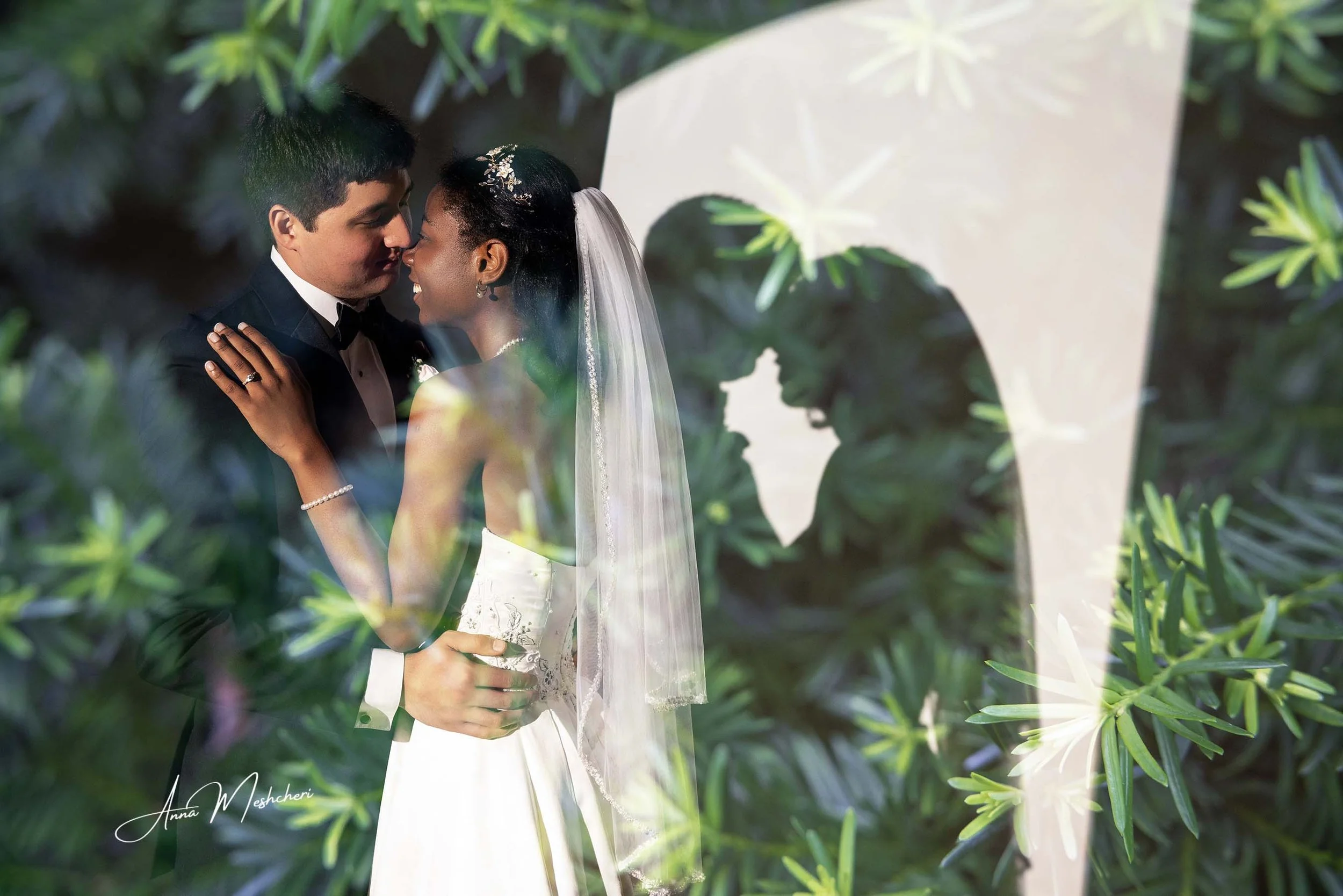
Below, I'm sharing some of my first in-camera double exposure photographs. I'd genuinely love to know what you think. Do you feel that double exposure photography is making a comeback now that so many modern cameras make it accessible, or do you think it's another creative trend that will eventually fade away? Personally, I hope it's here to stay. More importantly, I hope it continues inspiring photographers to experiment, to keep learning, and to remember that sometimes the most exciting creative tools are already sitting inside the cameras we use every day.